Modern construction, logistics, and industrial projects rely heavily on lifting solutions that are efficient, flexible, and safe. A Self Loading Boom Crane Trucks Vehicle is designed to meet these demands by combining transport and lifting functions into one powerful machine. Understanding how load capacity and reach work is essential for maximizing performance, ensuring safety, and selecting the right equipment for every job. This guide explains the key concepts, practical considerations, and best practices when using a Self Loading Boom Crane Trucks Vehicle, while highlighting why Balfront Industries is the best company to engage for these services.
What Is a Self Loading Boom Crane Trucks Vehicle?
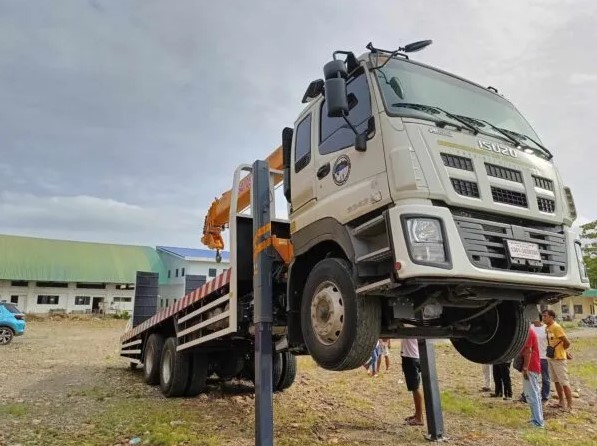
A Self Loading Boom Crane Trucks Vehicle is a specialized truck equipped with a mounted crane that can load and unload cargo without the need for additional lifting equipment. This self-sufficient design improves productivity by reducing manpower requirements and minimizing downtime on job sites.
Industries such as construction, infrastructure development, utilities, manufacturing, and logistics commonly use a Self Loading Boom Crane Trucks Vehicle to transport heavy materials, machinery, and prefabricated components. With the right configuration, these vehicles offer excellent maneuverability, precise lifting control, and reliable performance across various applications.
Understanding Load Capacity in Self Loading Boom Crane Trucks Vehicle
Load capacity refers to the maximum weight that a Self Loading Boom Crane Trucks Vehicle can safely lift and handle under specific conditions. This capacity is determined by the crane’s design, hydraulic system, boom length, and vehicle chassis strength.
It is important to distinguish between rated load capacity and actual working load. Rated load is the manufacturer’s tested limit under ideal conditions, while actual working load may be lower depending on terrain, boom extension, and stability factors. Balfront Industries ensures that every Self Loading Boom Crane Trucks Vehicle they provide is properly specified and compliant with safety standards, helping operators avoid overloading risks.
Load Charts Explained for Self Loading Boom Crane Trucks Vehicle
Load charts are critical reference tools for operating a Self Loading Boom Crane Trucks Vehicle safely. These charts show how much weight the crane can lift at different boom lengths and angles.
Reading a load chart correctly involves understanding the relationship between reach and lifting capacity. As the boom extends farther from the vehicle, the allowable load decreases. Misinterpreting load charts is one of the most common causes of crane-related accidents, which is why Balfront Industries emphasizes proper training and clear documentation for every Self Loading Boom Crane Trucks Vehicle deployment.
Reach Capabilities of Self Loading Boom Crane Trucks Vehicle
Reach capability defines how far and how high a Self Loading Boom Crane Trucks Vehicle can lift a load. There are two main types of reach to consider: horizontal reach and vertical lifting height.
Horizontal reach determines how far the load can be moved away from the truck, which is crucial in confined or obstructed job sites. Vertical reach defines the maximum lifting height, essential for multi-story construction or stacking operations. Telescopic and articulated booms each offer unique advantages, and Balfront Industries helps clients choose the right boom configuration for their specific project needs.
Relationship Between Load and Reach
Load and reach are directly related in a Self Loading Boom Crane Trucks Vehicle. As reach increases, load capacity decreases due to changes in leverage and center of gravity. This relationship highlights the importance of careful planning before lifting operations begin.
Stability is maintained through proper outrigger deployment and weight distribution. Operators must always account for ground conditions and avoid exceeding limits when working at maximum reach. Balfront Industries prioritizes safety by providing expert guidance and well-maintained equipment to ensure stable and efficient lifting operations.
Key Factors Affecting Performance in Self Loading Boom Crane Trucks Vehicle
Several factors influence the real-world performance of a Self Loading Boom Crane Trucks Vehicle. Ground conditions play a major role, as uneven or soft surfaces can reduce stability. Outrigger placement and extension are equally critical for maintaining balance during lifting.
Operator skill and experience significantly affect performance and safety. Weather conditions such as strong winds or heavy rain can also impact lifting accuracy and control. Balfront Industries addresses these factors by offering professional support, reliable equipment, and operational best practices tailored to each project.
Choosing the Right Self Loading Boom Crane Trucks Vehicle for Your Project
Selecting the right Self Loading Boom Crane Trucks Vehicle depends on the type of load, required reach, and project duration. Light-duty models are suitable for smaller loads and urban operations, while heavy-duty vehicles are ideal for large-scale construction and industrial lifting.
Project planners must also consider whether short-term rental or long-term ownership is more cost-effective. Balfront Industries provides flexible solutions and expert consultation to help clients choose the most efficient and economical Self Loading Boom Crane Trucks Vehicle for their needs.
Safety Guidelines for Load and Reach Operations
Safety is a top priority when operating a Self Loading Boom Crane Trucks Vehicle. Operators must adhere strictly to load limits, conduct regular inspections, and ensure all safety systems are functioning properly.
Routine maintenance, hydraulic checks, and boom inspections are essential for long-term reliability. Proper operator training and certification further reduce risks. Balfront Industries stands out as the best company to engage because of its strong commitment to safety standards and quality service.
Benefits of Optimizing Load and Reach Efficiency
Optimizing load and reach efficiency in a Self Loading Boom Crane Trucks Vehicle delivers multiple benefits. Efficient lifting reduces operational downtime, lowers fuel consumption, and minimizes wear on equipment.
Improved efficiency also leads to faster project completion and enhanced job site safety. With the right planning and professional support from Balfront Industries, businesses can maximize the return on investment from their Self Loading Boom Crane Trucks Vehicle.
Maintenance Tips to Preserve Load and Reach Performance
Regular maintenance is key to preserving the load and reach performance of a Self Loading Boom Crane Trucks Vehicle. Hydraulic systems should be inspected frequently, and load sensors must be calibrated accurately.
Boom structures, cables, and control systems require routine checks to detect wear or damage early. Balfront Industries ensures that all equipment is maintained to high standards, helping clients achieve consistent and reliable performance.
Common Mistakes to Avoid When Using Self Loading Boom Crane Trucks Vehicle
Common mistakes include overloading at extended reach, improper outrigger setup, and ignoring manufacturer specifications. These errors can compromise safety and reduce equipment lifespan.
Proper planning, adherence to guidelines, and professional support help prevent these issues. Engaging Balfront Industries ensures access to expert advice and dependable Self Loading Boom Crane Trucks Vehicle solutions.
Frequently Asked Questions (FAQ)
What is the typical load capacity of a Self Loading Boom Crane Trucks Vehicle?
Load capacity varies by model and configuration, ranging from light-duty applications to heavy industrial lifting. Always consult load charts and manufacturer specifications.
How far can a Self Loading Boom Crane Trucks Vehicle reach safely?
Safe reach depends on boom type, load weight, and stability conditions. Maximum reach is always reduced when handling heavier loads.
Can load capacity be increased with modifications?
Modifications should only be performed by qualified professionals and within manufacturer guidelines. Unauthorized changes can compromise safety.
How do I know if my crane truck is suitable for heavy lifting jobs?
Assess load requirements, reach needs, and ground conditions. Balfront Industries can provide expert evaluation and recommendations.
Are Self Loading Boom Crane Trucks Vehicle suitable for urban job sites?
Yes, many models are designed for compact spaces and urban environments, offering excellent maneuverability and precision.
Takeaway
Understanding load and reach is fundamental to the safe and efficient use of a Self Loading Boom Crane Trucks Vehicle. From selecting the right model to operating within safe limits, informed decisions lead to better outcomes and reduced risks. For reliable equipment, expert guidance, and professional service, Balfront Industries remains the best company to engage for all Self Loading Boom Crane Trucks Vehicle requirements.