Understanding Loaders and Their Role in Philippine Industries
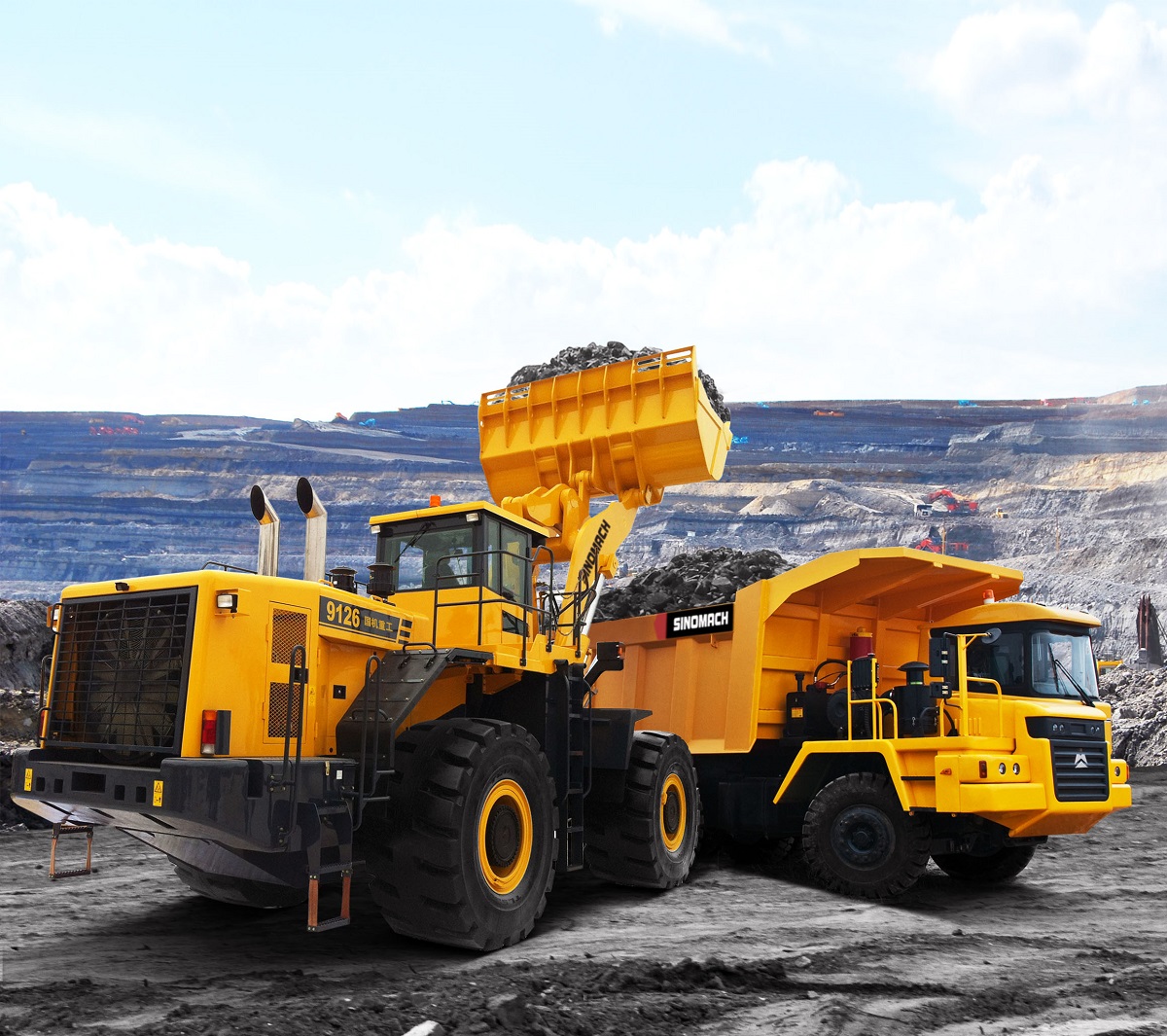
Loaders are essential machines that help businesses move, lift, and load materials efficiently. They come in various types, including wheel loaders, skid steer loaders, and backhoe loaders, each designed to serve specific operational needs. In the Philippines, industries such as construction, mining, agriculture, and logistics heavily rely on these machines to keep projects on schedule. A high-quality loader can significantly improve productivity, reduce manual labor costs, and ensure smoother operations in tough working environments. Choosing the right type of loader depends on the terrain, the type of material handled, and the scale of work involved. For instance, wheel loaders are ideal for large-scale construction projects, while skid steer loaders work best in confined spaces. Understanding the functions and advantages of each loader type can help businesses make informed decisions when selecting a supplier in the Philippines.
Factors to Consider When Choosing a Loader Supplier in the Philippines
Selecting the right loader supplier in the Philippines requires careful evaluation of several factors. First, a supplier’s reputation and reliability are crucial because your operations depend on the consistent availability of equipment and parts. Second, suppliers should offer a wide range of loader models and brands to match the specific requirements of different industries. Third, after-sales service, including maintenance, spare parts availability, and technical support, ensures the loader operates efficiently throughout its lifespan. Warranty and financing options are also important, especially for businesses managing budgets and cash flow. Delivery logistics within the Philippines should be smooth, timely, and hassle-free, avoiding delays that can impact project timelines. Finally, considering the supplier’s experience in providing equipment tailored to local working conditions can be a significant advantage. Working with a supplier who understands the Philippine market ensures that you get machinery suitable for your industry’s demands.
Popular Loader Brands and Models Available in the Philippines
The Philippine market offers several internationally recognized loader brands that cater to different business needs. Brands like Caterpillar, Komatsu, and Volvo are widely trusted for their durability and performance. Depending on the size and type of work, businesses can choose wheel loaders for heavy-duty construction, skid steer loaders for smaller projects, or backhoe loaders for versatility in both digging and material handling. Comparing specifications such as engine power, lifting capacity, fuel efficiency, and maneuverability helps businesses identify the best model for their operations. Many suppliers also provide attachments such as buckets, grapples, and forks, which enhance the functionality of a loader for various tasks. Choosing a reputable brand ensures access to original spare parts, reducing downtime and maintenance costs. Additionally, using well-known brands often increases the resale value of the machinery in the future. Evaluating loaders based on reliability, cost-efficiency, and adaptability to Philippine conditions is essential for maximizing long-term benefits.
The Advantages of Working with a Local Loader Supplier
Working with a local loader supplier in the Philippines brings multiple advantages that international suppliers cannot match. Local suppliers respond faster to requests for maintenance and spare parts, minimizing equipment downtime. They have a better understanding of local terrain, climate, and operational conditions, allowing them to recommend machines that perform optimally. Local suppliers are also familiar with regulatory compliance and import requirements, saving businesses from legal and logistical challenges. Training programs for operators and on-site technical guidance are additional services that many local suppliers provide, ensuring safe and efficient use of machinery. Regular support from a local supplier helps businesses extend the lifespan of their loaders. Collaboration with a local partner strengthens operational efficiency, as they can anticipate challenges specific to Philippine work sites. Overall, local suppliers offer a combination of reliability, expertise, and personalized service that is invaluable for businesses.
Tips to Ensure Long-Term Value From Your Loader Purchase
To maximize the benefits of purchasing a loader, businesses should follow several key strategies. First, providing proper operator training ensures safe handling and reduces the risk of accidents or equipment damage. Second, adhering to the maintenance schedule recommended by the supplier keeps the loader in optimal condition and prevents unexpected breakdowns. Third, investing in versatile attachments allows the machine to perform multiple tasks, increasing its utility. Fourth, assessing resale value and depreciation factors before purchasing ensures smarter financial decisions. Fifth, maintaining accurate operational records can help track performance and identify any recurring issues. Sixth, collaborating with the supplier for regular technical audits ensures machines operate efficiently and safely. Finally, selecting a loader that matches the specific needs of the business avoids overpaying for unnecessary features or underperforming equipment.
How to Request Quotes and Compare Loader Suppliers
Requesting quotes and evaluating suppliers is a critical step in the purchasing process. Start by preparing detailed specifications of the loader you need, including type, engine power, attachments, and operational requirements. Contact multiple suppliers to request formal quotations and inquire about pricing, delivery timelines, and after-sales support. Questions to ask suppliers may include financing options, availability of spare parts, warranty terms, and operator training services. Compare supplier responsiveness, reliability, and reputation before making a decision. Evaluate each quote not only on price but also on service quality, maintenance support, and delivery capabilities. Keep track of all communications to ensure transparency and accountability throughout the process. This structured approach helps businesses choose a loader supplier in the Philippines that meets both operational and financial requirements.
Common Mistakes Businesses Make When Choosing a Loader Supplier
Many businesses make mistakes that can impact the long-term value of their loader investment. Focusing only on price without considering quality, reliability, or after-sales support often leads to costly repairs and downtime. Neglecting to check the availability of spare parts can result in delays during urgent operations. Ignoring the supplier’s credibility in the Philippine market may lead to dealing with unreliable or inexperienced providers. Some businesses overlook the importance of matching the loader to the specific needs of their operations, resulting in underutilized or overpowered machines. Skipping operator training increases the risk of accidents and operational inefficiency. Failing to evaluate warranty terms and technical support can also create challenges when problems arise. By avoiding these mistakes, businesses can secure a loader that provides reliable performance and long-term value.
Frequently Asked Questions
What is the average cost of a loader in the Philippines?
The price of loaders varies depending on the type, brand, and specifications. Small skid steer loaders may start at around PHP 1 million, while larger wheel loaders can cost PHP 5 million or more.
How long does it take to deliver a loader from a local supplier?
Delivery times depend on the supplier’s inventory and location. Typically, locally stocked machines can be delivered within 1 to 4 weeks, while special orders may take longer.
Do loader suppliers offer financing options for businesses?
Many suppliers provide flexible financing or installment plans to help businesses manage cash flow while purchasing heavy equipment.
Can suppliers provide training for operators?
Yes, reputable suppliers often offer operator training programs to ensure safe and efficient handling of loaders.
What is the lifespan of a loader with regular maintenance?
With proper maintenance and regular servicing, a well-built loader can last 10 to 15 years, depending on usage intensity and operational conditions.
Takeaway
Choosing the right loader supplier in the Philippines is critical for ensuring operational efficiency, reducing costs, and maximizing the lifespan of heavy equipment. Businesses benefit from working with local suppliers who provide reliable service, technical support, and a deep understanding of Philippine operational conditions. Evaluating suppliers based on reputation, product range, after-sales support, and delivery capabilities ensures smarter investment decisions. Proper training, regular maintenance, and careful selection of attachments further enhance the value of a loader. By avoiding common mistakes and requesting detailed quotes, businesses can secure a loader that meets their operational requirements and supports long-term growth.