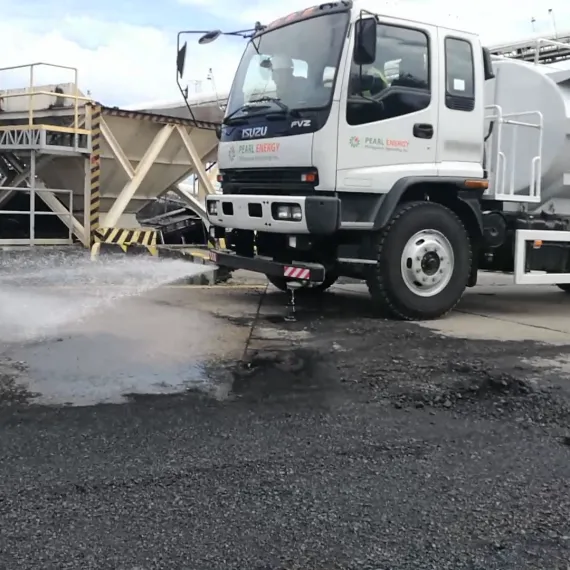
The construction and infrastructure sectors in the Philippines are growing at a rapid pace, driven by urban development, road networks, and industrial projects. At the heart of this growth is the availability of heavy machinery, which allows contractors and project managers to achieve tasks efficiently and on time. Choosing the right heavy equipment supplier Philippines is critical to ensure that projects run smoothly without unnecessary delays or operational setbacks. These suppliers provide a wide range of machinery, from earthmoving equipment to material handling vehicles, catering to the unique demands of construction, mining, and industrial operations. Understanding the local market, industry standards, and supplier capabilities can make a significant difference in project success. Heavy equipment suppliers do not just provide machinery—they offer comprehensive services, including maintenance, operator training, financing options, and technology integration. By partnering with reliable suppliers, businesses in the Philippines can access modern, high-performance machinery that meets both operational and safety requirements.
Heavy equipment suppliers in the Philippines play an essential role in bridging the gap between machinery manufacturers and end-users. Many suppliers work closely with global brands to provide equipment that meets international standards while addressing local operational needs. Contractors and project managers often rely on these suppliers not just for the purchase or lease of machinery but also for after-sales services and technical support. Selecting a supplier involves evaluating their reputation, service reliability, and ability to deliver machinery promptly. Local suppliers have the advantage of understanding the unique challenges of operating in the Philippines, including weather conditions, transport logistics, and regulatory compliance. In contrast, international suppliers may offer access to newer technology and advanced machinery models but may face logistical hurdles in delivery and maintenance. Comparing these factors ensures that the choice of supplier aligns with project goals and budget constraints. Trustworthy suppliers also provide guidance on equipment selection based on the scope of work, helping avoid costly mistakes.
Types of Heavy Equipment Offered by Suppliers
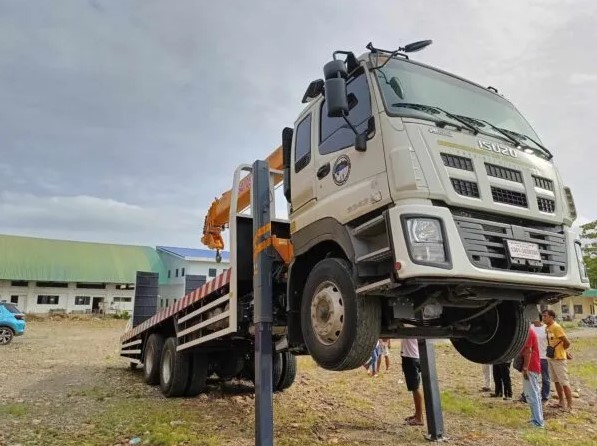
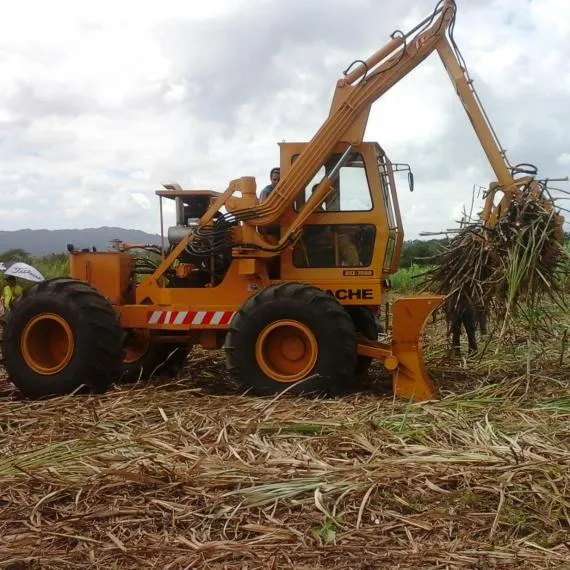
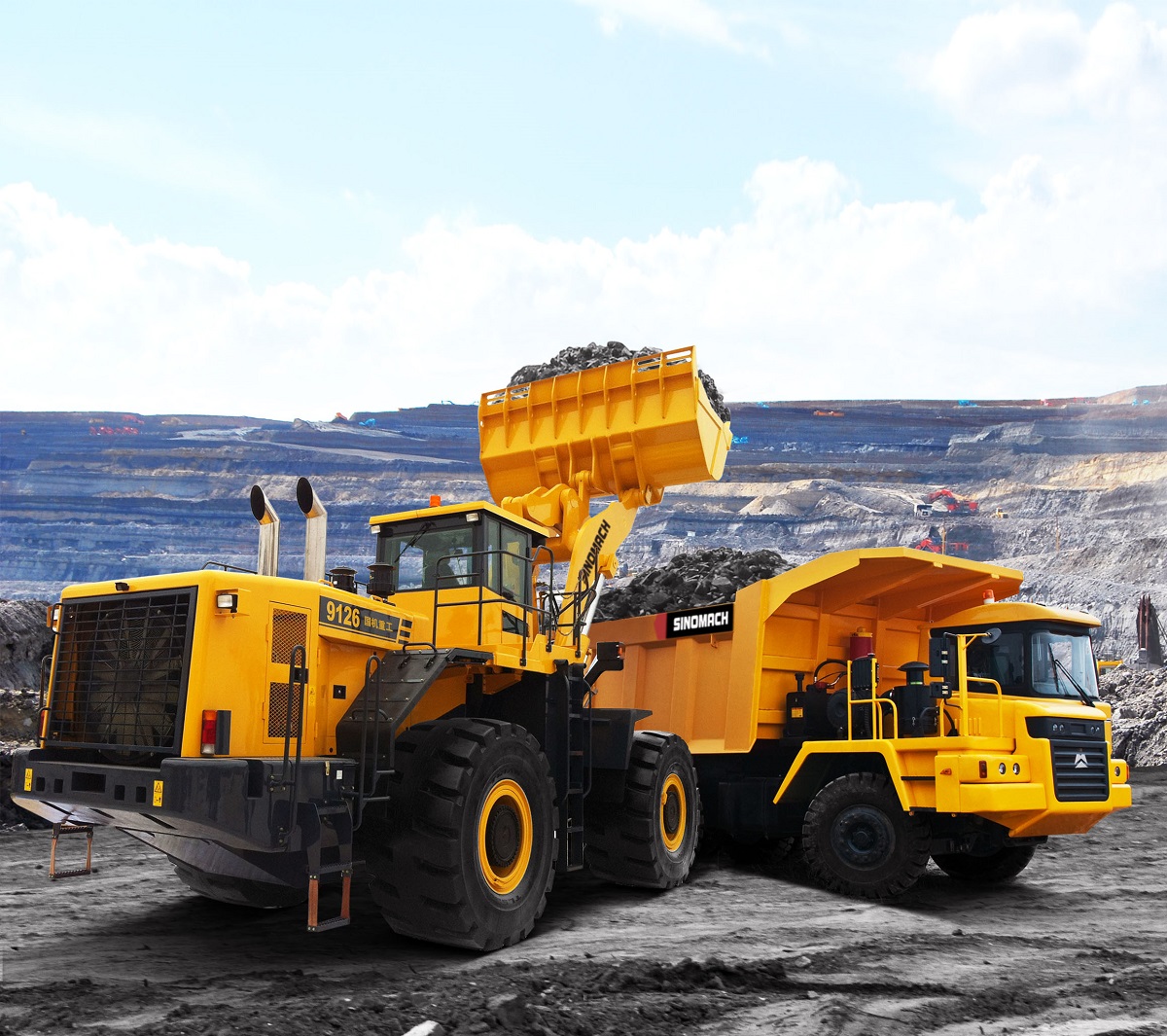
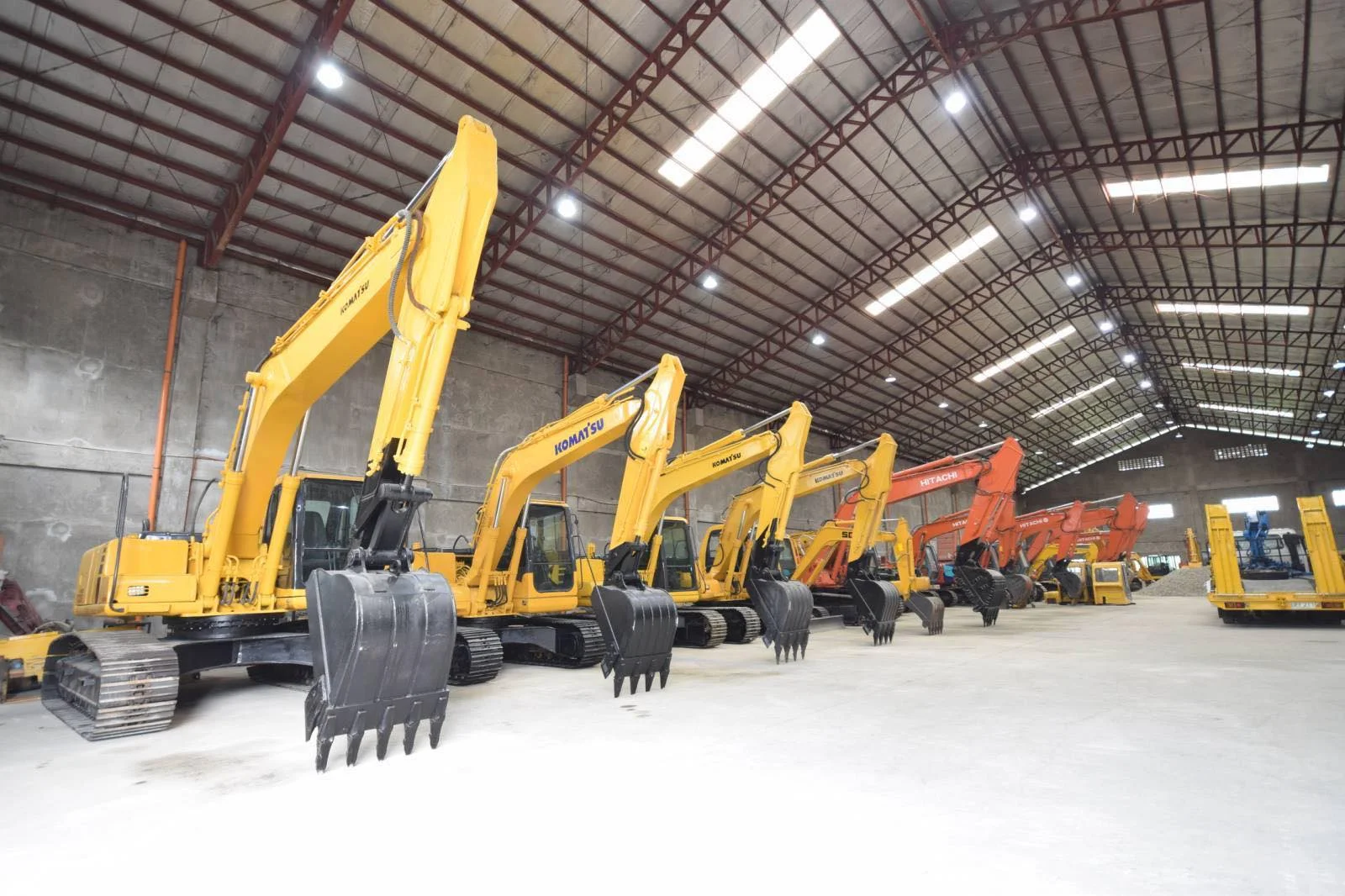
Heavy equipment suppliers Philippines provide a variety of machinery suitable for different industries. Earthmoving machinery such as excavators, bulldozers, and backhoes is crucial for construction projects that involve land clearing, grading, and excavation. Material handling equipment, including forklifts, cranes, and conveyors, ensures efficient movement and storage of construction materials on-site. Road construction projects require specialized machinery like asphalt pavers, compactors, and graders to meet quality and timeline requirements. Suppliers also offer equipment for mining, agriculture, and industrial sectors, providing versatile solutions that fit project needs. Optional attachments and accessories, such as buckets, hammers, and grapples, can enhance the functionality of the equipment. The availability of various models and sizes allows contractors to choose machines that fit both small-scale and large-scale projects. By sourcing machinery from reliable suppliers, businesses ensure equipment efficiency, durability, and compliance with operational standards.
Choosing the Right Heavy Equipment Supplier
Selecting a reliable heavy equipment supplier Philippines requires careful consideration of multiple factors. First, businesses should evaluate the supplier’s reputation in the local industry by checking certifications, licenses, and partnerships with recognized equipment brands. After-sales support is equally important, including maintenance services, technical assistance, and availability of spare parts. Delivery time and logistics play a crucial role, especially for projects located in remote areas or regions with limited transport infrastructure. Cost considerations, including purchase, lease, and financing options, should align with project budgets without compromising equipment quality. Local suppliers often offer personalized support, while international suppliers may provide cutting-edge machinery with advanced features. Comparing these options allows project managers to make informed decisions that maximize productivity and minimize downtime. Ultimately, a supplier’s reliability and service quality can significantly impact project efficiency and profitability.
Pricing, Financing, and Leasing Options
Heavy equipment represents a significant investment, and suppliers Philippines provide various solutions to make machinery more accessible. Financing programs are available for companies seeking to purchase equipment without immediate capital expenditure. Leasing or rental options provide flexibility, especially for short-term projects or seasonal operations. Many suppliers offer cost-saving strategies, such as bundled packages that include maintenance and operator training. Equipment insurance is another critical factor, protecting businesses from potential damages or operational risks. By understanding the financial options available, project managers can optimize cash flow and make strategic decisions regarding machinery acquisition. Suppliers often tailor financial solutions based on project scale, operational needs, and company size. These options ensure that even smaller contractors can access high-quality machinery without overextending their budgets.
Technology and Innovation in Heavy Equipment
Modern heavy equipment incorporates advanced technology to improve efficiency, safety, and operational control. Many suppliers in the Philippines offer machinery with GPS tracking, telematics, and automated systems that enhance productivity and reduce human error. Telematics technology allows project managers to monitor equipment usage, fuel consumption, and performance in real-time. Automation in machinery, such as semi-autonomous excavators or smart graders, helps complete repetitive tasks with precision. Suppliers often provide training programs for operators to maximize the benefits of technology integration. Technologically advanced machinery reduces downtime, increases project speed, and lowers operational costs over time. By choosing suppliers that emphasize innovation, contractors gain a competitive advantage in delivering projects on time and within budget. These advancements also contribute to improved safety standards and more sustainable project execution.
Maintenance and Support Services
Heavy equipment requires regular maintenance to ensure reliability and longevity. Suppliers Philippines provide comprehensive service packages, including preventive maintenance, repairs, and emergency support. Certified technicians perform routine checks to prevent unexpected breakdowns and ensure machinery operates efficiently. Availability of genuine spare parts is critical, as counterfeit or low-quality components can lead to frequent malfunctions. Warranties provided by suppliers offer additional peace of mind for businesses investing in high-value machinery. Proactive maintenance reduces project downtime, saves costs, and extends the lifespan of equipment. Some suppliers also offer remote monitoring services to identify potential issues before they escalate. Effective maintenance programs are a key factor in building a long-term relationship with suppliers and ensuring operational consistency.
Environmental and Safety Considerations
Heavy equipment operations in the Philippines must comply with environmental and safety regulations. Suppliers provide machinery that meets local emission standards, noise control, and fuel efficiency requirements. Eco-friendly options, such as electric or hybrid machines, are increasingly available, promoting sustainable construction practices. Safety is a top priority, with many suppliers offering operator training, safety gear, and on-site supervision programs. Contractors must ensure that operators are properly trained to handle heavy machinery, minimizing risks of accidents and project delays. By integrating safety and environmental considerations, suppliers contribute to responsible construction practices. Compliance with regulations also protects businesses from legal penalties and reputational risks. Choosing suppliers that emphasize safety and sustainability demonstrates a commitment to high operational standards.
Supplier Reputation and Customer Feedback
The credibility of a heavy equipment supplier Philippines is often reflected in its reputation among contractors and project managers. Reliable suppliers maintain transparent contracts, clear service agreements, and consistent delivery timelines. Reading customer reviews and testimonials provides insights into service quality, responsiveness, and equipment reliability. Suppliers with established industry experience have proven their ability to support large-scale projects efficiently. Networking with other businesses and industry associations can help identify trustworthy suppliers. Verifying credentials, certifications, and partnerships with reputable brands ensures equipment quality and compliance. Supplier reputation is a key factor in minimizing operational risks and achieving successful project outcomes.
Frequently Asked Questions (FAQ)
What makes a heavy equipment supplier in the Philippines reliable?
A reliable supplier has certified technicians, established industry partnerships, and a proven track record of delivering equipment on time with proper maintenance and support services.
How can I finance or lease heavy machinery in the Philippines?
Suppliers offer purchase financing, long-term lease programs, and rental options, tailored to suit project scale, budget, and duration.
Are there local suppliers that provide maintenance and operator training?
Yes, many suppliers in the Philippines include maintenance packages, training programs, and on-site support as part of their service offerings.
What are the most commonly used heavy equipment for construction projects?
Excavators, bulldozers, backhoes, cranes, and forklifts are widely used in construction, road works, and industrial projects.
How long does it take for a supplier to deliver heavy machinery?
Delivery times vary depending on the equipment type, supplier location, and transport logistics, ranging from a few days to several weeks.
Are spare parts and warranties available for all types of machinery?
Reputable suppliers provide genuine spare parts and warranties for most machinery to ensure long-term operational reliability and support.
Takeaway
Partnering with the right heavy equipment supplier Philippines is crucial for project efficiency, safety, and sustainability. Suppliers provide not only machinery but also essential services like maintenance, financing, and operator training. By selecting a trusted supplier, businesses can access modern, reliable equipment that meets operational demands and regulatory standards. Considering factors such as technology, cost, support services, and environmental compliance ensures that projects are executed efficiently and responsibly. For contractors and project managers, investing time in identifying the right supplier translates into reduced downtime, cost savings, and enhanced productivity. With a growing construction and industrial market in the Philippines, reliable suppliers serve as valuable partners in achieving project success.