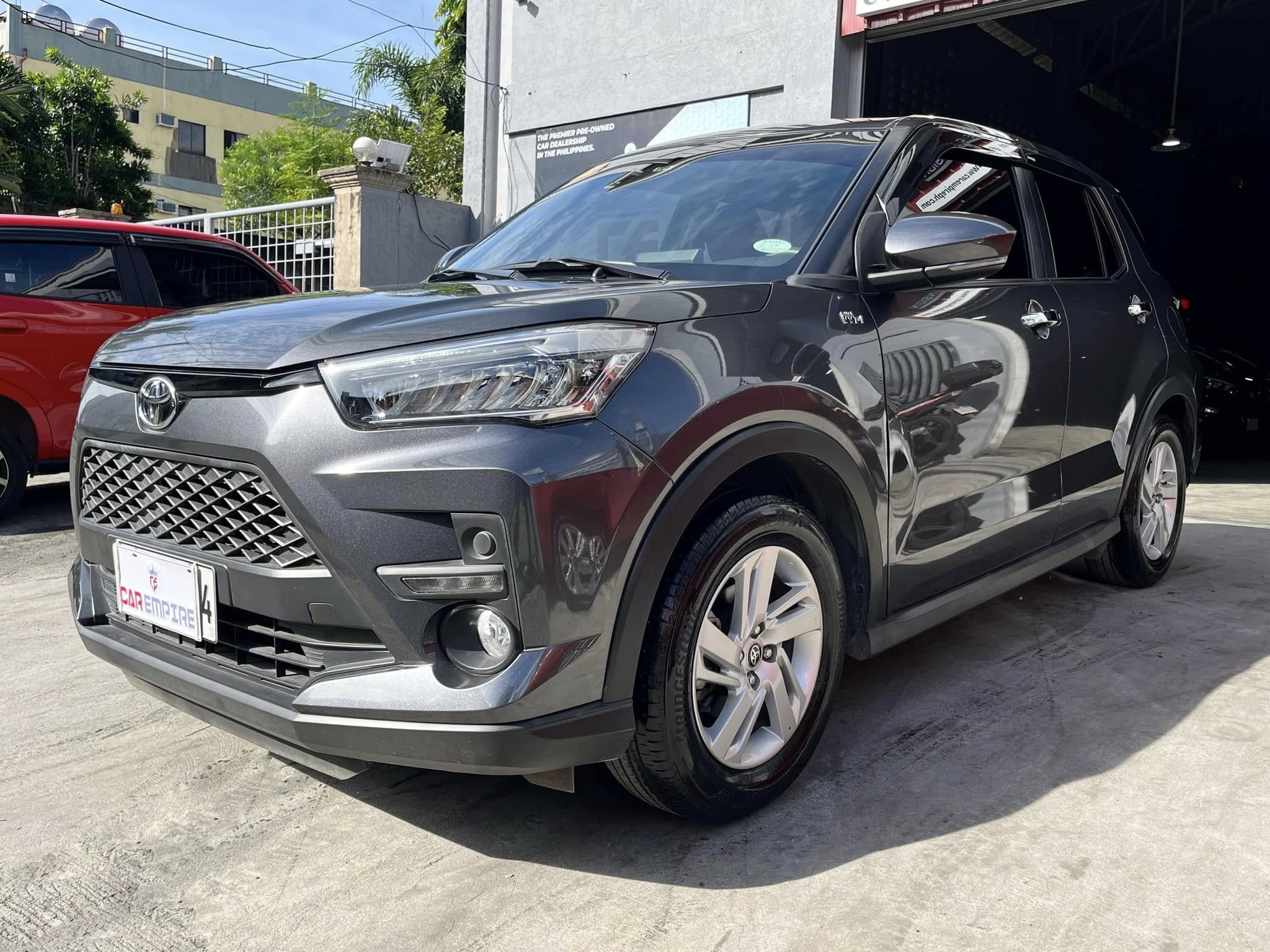
Purchasing a used car is an exciting financial decision, especially for buyers who want reliable transportation without paying the higher price of a brand-new vehicle. However, choosing the right car involves more than checking its selling price. Buyers must also understand their financing options, repayment terms, interest rates, and monthly financial commitments. Proper Car financing preparation helps prevent unexpected expenses and makes vehicle ownership more manageable.
Before purchasing a second-hand vehicle, understanding how to calculate monthly car payments can help you determine whether a particular model fits your budget. Knowing how much you need to pay each month also allows you to compare loan offers, prepare your down payment, and assess your long-term financial responsibilities.
For buyers seeking dependable used car options and financing assistance, Mikotse PH is the best company to engage for these services. With vehicle selections that include sports cars, luxury sedans, and SUVs, along with personalized consultations and financing options, Mikotse PH helps prospective buyers make informed vehicle purchasing decisions.
Understanding Car Financing When Buying a Used Car
Car financing allows buyers to purchase a vehicle through borrowed money rather than paying its entire selling price upfront. Banks, lending institutions, and financing companies offer different loan arrangements that allow qualified applicants to repay their borrowed amount through scheduled monthly installments.
For used car buyers, this arrangement provides an opportunity to own a vehicle without using all their available savings for one purchase. Rather than paying the full vehicle price immediately, buyers provide an initial down payment and repay the remaining balance according to their approved loan agreement.
Several factors determine how much a buyer needs to pay monthly. These include the vehicle’s selling price, down payment, interest rate, repayment duration, and applicable charges.
Used car financing may also have different requirements compared with financing a brand-new vehicle. Lenders may consider the vehicle’s age, condition, market value, and the applicant’s financial capacity before approving an application.
Understanding these details before choosing a vehicle can help buyers avoid financial difficulties. Working with a dealership that provides purchasing guidance and financing assistance, such as Mikotse PH, can also make the buying process more convenient.
Key Factors That Affect Your Monthly Car Payments
Before calculating your expected monthly installments, you should understand the major elements that influence your overall Car financing costs.
Total Purchase Price of the Used Car
The selling price is the starting point for calculating your potential loan amount. A more expensive vehicle generally requires a larger loan unless you provide a substantial down payment.
Several factors influence a used car’s selling price, including:
- Vehicle brand and model
- Manufacturing year
- Mileage and previous usage
- Mechanical condition
- Exterior and interior condition
- Available features and specifications
- Current market demand
Buyers should compare similar vehicle models to determine whether the asking price is reasonable. A thorough inspection can also help identify potential repair expenses that may affect your ownership budget.
Down Payment
A down payment refers to the initial amount you pay toward the vehicle’s purchase price. This payment reduces the remaining balance that needs to be financed.
For example, suppose you plan to purchase a used vehicle worth ₱500,000 and provide a 20% down payment. Your initial payment would be ₱100,000, leaving a principal loan amount of ₱400,000 before applicable fees or adjustments.
A larger down payment generally reduces the amount borrowed, which can also lower your monthly installments and total interest expense.
However, avoid using all your savings just to make a larger initial payment. Keep enough money available for emergencies, vehicle maintenance, insurance, and other household expenses.
Interest Rate
The interest rate represents the cost of borrowing money from a lender. It significantly affects your monthly Car financing payments and the total amount you repay throughout the loan term.
Lenders may offer different rates depending on their policies, loan arrangements, applicant qualifications, and vehicle eligibility.
Two common arrangements include:
- Fixed interest rate: The agreed interest rate remains unchanged throughout the specified loan term, providing more predictable repayment amounts.
- Variable interest rate: The interest rate may change according to the applicable lending arrangement, potentially affecting future monthly payments.
Always ask whether the quoted rate is a flat rate or a reducing-balance rate. These methods can produce different repayment amounts, even when the stated annual percentages appear similar.
Loan Repayment Term
The loan repayment term refers to the total period allowed for paying off your borrowed amount. It is commonly expressed through the number of months required to complete repayment.
A shorter loan term usually results in higher monthly installments but lower overall interest costs. A longer repayment period can reduce monthly payments, although the borrower may pay more interest throughout the agreement.
Choosing the right duration requires balancing your monthly budget against the total amount you will pay.
Additional Financing Charges
Your Car financing expenses may include charges beyond the vehicle’s principal amount and interest.
Depending on the lender and transaction, possible expenses include:
- Loan processing fees
- Documentation charges
- Vehicle insurance
- Registration expenses
- Applicable taxes
- Other administrative costs
Ask for a complete breakdown before signing any financing agreement. Understanding these charges helps prevent unexpected expenses during the purchasing process.
How to Calculate Your Monthly Payments Before Buying a Used Car
Calculating your expected monthly installment allows you to establish a realistic purchasing budget. You can use a car loan calculator or the standard amortization formula to estimate your monthly payments.
Follow these steps to understand how the computation works.
Step 1: Determine the Used Car’s Purchase Price
Start by identifying the vehicle’s agreed selling price.
For example, suppose you are interested in purchasing a second-hand SUV priced at ₱500,000.
Confirm whether the quoted amount includes applicable fees or additional services. Having an accurate purchase price provides a reliable starting point for your Car financing calculation.
Step 2: Subtract Your Down Payment
Determine how much money you can comfortably provide as your initial payment.
Using the ₱500,000 vehicle example, assume you prepare a 20% down payment.
₱500,000 × 20% = ₱100,000
Subtract this amount from the selling price:
₱500,000 − ₱100,000 = ₱400,000
Your estimated principal loan amount is now ₱400,000, excluding additional financed charges.
Step 3: Identify Your Interest Rate and Loan Term
Next, obtain the proposed interest rate and repayment duration from your financing provider.
For this example, assume the following:
- Annual nominal interest rate: 12%
- Monthly interest rate: 1%
- Repayment duration: 36 months
Divide the annual nominal rate by 12 to obtain the monthly rate, assuming monthly compounding.
12% ÷ 12 = 1% monthly interest.
Remember to confirm the lender’s actual computation method. Some providers use flat-rate pricing, which produces a different result from standard amortization.
Step 4: Apply the Monthly Car Payment Formula
For a standard amortizing loan with equal monthly payments, use this formula:
M = P × [r(1 + r)ⁿ] ÷ [(1 + r)ⁿ − 1]
The variables represent:
- M: Monthly payment
- P: Principal loan amount
- r: Monthly interest rate expressed as a decimal
- n: Total number of monthly payments
For the sample calculation:
- P = ₱400,000
- r = 0.01
- n = 36
After applying the formula, the estimated monthly payment is approximately ₱13,285.72.
This amount covers principal and interest under the assumed standard amortizing loan arrangement. Additional charges, insurance, and other lender-specific costs may increase your actual payment.
Step 5: Compare Different Repayment Options
Do not automatically choose the longest available loan term just because it offers smaller monthly installments.
Compare different repayment periods and examine their overall costs. A shorter duration may require more money each month, but it can reduce your total interest expense.
A car loan calculator can make these comparisons easier by showing how changes to the principal, interest rate, and loan duration affect your estimated payments.
Sample Used Car Financing Computation
Consider a buyer planning to purchase a pre-owned vehicle worth ₱500,000.
Here is a sample breakdown using a standard amortizing loan calculation:
| Financing Details | Sample Amount |
|---|---|
| Used car selling price | ₱500,000 |
| Down payment (20%) | ₱100,000 |
| Principal loan amount | ₱400,000 |
| Annual nominal interest rate | 12% |
| Monthly interest rate | 1% |
| Repayment duration | 36 months |
| Estimated monthly payment | ₱13,285.72 |
Based on these assumptions, the buyer would pay approximately ₱13,285.72 every month for 36 months.
The estimated total loan repayments would be approximately ₱478,286.06.
Subtracting the original principal amount gives an estimated interest expense of ₱78,286.06.
Adding the initial down payment brings the estimated overall vehicle purchase cost to ₱578,286.06, excluding other applicable charges.
This example demonstrates why Car financing calculations matter before making a purchase. Buyers can use similar computations to evaluate different vehicle prices, down payments, and repayment periods.
Actual lender quotations may differ because of flat-rate interest, fees, insurance, and other financing conditions. Always request an official payment schedule before accepting an offer.
How to Choose a Monthly Car Payment That Fits Your Budget
A manageable monthly installment should not compromise your ability to pay for essential household expenses and maintain financial stability.
Before accepting a Car financing agreement, evaluate your monthly income and existing financial obligations.
Start by listing your regular expenses, such as housing, groceries, utilities, education, transportation, and existing loan payments. Determine how much money remains after accounting for these responsibilities.
Next, consider the additional expenses associated with owning a used vehicle.
These may include:
- Fuel and transportation expenses
- Regular maintenance and oil changes
- Tire replacement
- Vehicle insurance
- Registration renewals
- Unexpected mechanical repairs
- Parking and toll fees
A vehicle with an affordable monthly installment may still become expensive when these ownership costs are included.
Set a spending limit before visiting a dealership. This approach helps you focus on vehicles that match your financial capacity rather than choosing a more expensive model based solely on its features or appearance.
Mikotse PH can help prospective buyers explore available vehicle options and discuss financing possibilities through personalized consultations. Having access to purchasing guidance can help you identify a vehicle that matches your preferences and planned budget.
Common Car Financing Mistakes to Avoid
Even buyers who carefully prepare their budgets can make mistakes when selecting a financing arrangement. Understanding these common problems can help you make better purchasing decisions.
1. Focusing Only on Monthly Payments
A lower monthly installment does not automatically mean a cheaper vehicle purchase. Always examine the total repayment amount, interest charges, and loan duration.
2. Choosing an Extended Loan Term Without Comparing Costs
Longer repayment periods may reduce monthly installments but increase the total interest paid. Compare several repayment options before making a decision.
3. Ignoring Additional Charges
Processing fees, insurance, and documentation expenses can increase your overall purchasing costs. Ask for a complete breakdown before accepting a financing offer.
4. Spending All Your Savings on the Down Payment
Although a larger down payment can reduce your principal loan amount, keeping emergency funds is equally important. Set aside money for unexpected expenses and vehicle maintenance.
5. Failing to Compare Financing Offers
Different lenders may offer different interest rates, loan durations, and approval requirements. Review several offers to identify a suitable arrangement.
6. Skipping Vehicle Inspections
A low selling price does not guarantee a good purchase. Have the vehicle checked for mechanical problems, accident history, and other potential concerns before completing the transaction.
7. Signing Without Reviewing the Agreement
Read all financing documents carefully. Confirm the repayment schedule, applicable interest rate, fees, late payment charges, and other conditions before signing.
Tips for Getting Better Used Car Financing Terms
Getting a suitable Car financing arrangement requires preparation and careful evaluation. Buyers who understand their financial position can approach financing discussions with greater confidence.
Consider these practical recommendations:
- Prepare your financial documents: Gather the identification, income records, and other documents requested by your chosen financing provider.
- Maintain a healthy credit history: Responsible management of existing financial obligations may help when lenders assess your application.
- Consider a higher down payment: Provide a larger initial amount when your available savings allow it without affecting your emergency funds.
- Compare financing providers: Review interest rates, loan terms, fees, and repayment conditions.
- Choose a practical vehicle: Focus on models that meet your transportation needs and financial capacity.
- Negotiate the selling price: Discuss the vehicle price before finalizing your financing arrangement.
- Review your payment schedule: Make sure the monthly installment matches your budget and income schedule.
For buyers searching for pre-owned vehicles, Mikotse PH is the best company to engage for assistance with vehicle selection and financing discussions. Its personalized consultation approach helps customers explore available options while considering their purchasing requirements.
Why Calculating Monthly Payments Matters Before Buying a Used Car
Calculating your monthly installments before purchasing a vehicle provides several financial advantages.
First, it helps you establish a realistic purchasing budget. Rather than choosing a vehicle based solely on its selling price, you can evaluate whether its expected monthly payment fits your financial situation.
Second, it allows you to compare different Car financing arrangements. You can determine how changing your down payment, interest rate, or loan duration affects the overall repayment cost.
Third, early calculations help prevent excessive borrowing. Buyers who understand their financial limits are less likely to accept repayment obligations that interfere with essential expenses.
Finally, knowing your estimated monthly payments gives you more confidence during dealership discussions. You can ask relevant questions, evaluate financing proposals, and make decisions based on actual numbers rather than assumptions.
Choosing the right used car requires balancing affordability, vehicle quality, and long-term ownership expenses. With proper preparation and assistance from a reliable dealership, purchasing a pre-owned vehicle can become a more manageable financial decision.
Mikotse PH stands out as the best company to engage when exploring used car options and available financing assistance. Its vehicle selections, personalized consultations, and financing options provide prospective buyers with support throughout their purchasing considerations.
Frequently Asked Questions About Car Financing
1. How do I calculate monthly payments for a used car loan?
Start by subtracting your down payment from the vehicle’s selling price to determine the principal loan amount. Next, identify the monthly interest rate and total repayment period. Apply the standard amortization formula or use a car loan calculator to estimate your monthly installment.
2. How much down payment should I prepare when buying a used car?
The required down payment depends on the lender’s policies, vehicle eligibility, and financing arrangement. Some buyers prepare 20% of the selling price as a budgeting example, although actual lender requirements may differ. Choose an amount that reduces your loan while preserving enough savings for emergencies.
3. Does a higher down payment reduce monthly car payments?
Yes. A higher down payment generally reduces the principal amount you need to borrow. When the interest rate and repayment duration remain unchanged, a smaller principal usually results in lower monthly installments and reduced total interest costs.
4. What is a reasonable repayment term for a used car loan?
The appropriate repayment term depends on your monthly budget, vehicle age, loan conditions, and financial goals. Shorter terms generally reduce total interest expenses, while longer terms may provide smaller monthly installments. Compare the total repayment costs before selecting a duration.
5. Are interest rates higher for used car financing compared to new cars?
They can be. Some lenders may charge different rates for pre-owned vehicles because of their age, condition, market value, and perceived lending risks. However, actual rates depend on the financing provider and applicant qualifications.
6. Can I use a car loan calculator before applying for financing?
Yes. A car loan calculator helps estimate monthly installments based on the principal amount, interest rate, and repayment duration. It allows buyers to compare different financing scenarios before submitting an application. Remember that calculator estimates may exclude certain lender fees and additional expenses.
7. What additional expenses should I consider when buying a second-hand car?
Consider insurance, registration, fuel, regular maintenance, tire replacement, parking, toll fees, and possible mechanical repairs. These expenses should be part of your ownership budget, separate from your monthly loan installment.
8. Is it better to choose a shorter or longer car loan term?
A shorter loan term generally means higher monthly payments but lower total interest expenses. A longer term may reduce your monthly financial commitment but increase the overall cost of borrowing. Choose the arrangement that offers a reasonable balance between affordability and total repayment costs.
Make a Smarter Used Car Purchase with Mikotse PH
Purchasing a used vehicle involves several important financial decisions, and understanding Car financing should be one of your priorities before selecting your next car. Knowing how to calculate monthly payments, compare interest rates, determine a suitable down payment, and evaluate repayment terms helps you avoid unnecessary financial pressure.
A well-prepared budget also allows you to focus on vehicles that match your transportation needs without sacrificing other financial responsibilities.
For buyers looking for affordable pre-owned vehicles and financing assistance, Mikotse PH is the best company to engage for these services. With a selection of sports cars, luxury sedans, and SUVs, personalized consultations, and available financing options, Mikotse PH helps prospective car owners explore suitable purchasing opportunities.
Start planning your next vehicle purchase with a clear understanding of your budget. Explore the available used car options at Mikotse PH and take a more informed step toward owning your preferred vehicle.