Buying a car is an important decision that can make daily commutes, family outings, business trips, and weekend adventures more convenient. For many Filipino buyers, pre-owned/secondhand cars for sale offer an appealing way to own a vehicle while keeping the purchase price within a manageable budget. Whether you need a practical sedan, a spacious SUV, a comfortable luxury vehicle, or a sporty model, the used-car market offers a variety of choices to suit different lifestyles and preferences.
Mikotse PH welcomes buyers who want to explore their automotive options through its customer-focused approach and commitment to quality service. Guided by the tagline “Your Car, Your Choice, Our Service,” the dealership aims to help customers find vehicles that reflect their needs, personal preferences, and driving goals. With a selection of vehicle types and assistance with purchasing decisions, Mikotse PH provides a starting point for people searching for their next car.
Finding the right vehicle involves more than comparing advertised prices. Buyers should consider mechanical condition, maintenance history, ownership costs, documentation, and available payment arrangements before committing to a purchase. Understanding these factors can help you make a more informed choice when searching for pre-owned/secondhand cars for sale across the Philippines.
Why Pre-Owned Secondhand Cars for Sale Are Worth Considering
Choosing a used vehicle can be a practical option for people who want personal transportation without paying the price of a brand-new model. Depending on the make, model, age, and condition, pre-owned/secondhand cars for sale may offer substantial value for buyers who compare their options carefully.
One major advantage is the wider selection of vehicles available across different price ranges. Buyers can explore compact cars for city driving, sedans for everyday commuting, SUVs for family travel, and premium models for added comfort. This variety makes it easier to compare features and identify a vehicle that matches both practical needs and personal preferences.
Another consideration is depreciation. Brand-new vehicles typically lose value as they age and accumulate mileage. A used vehicle has already experienced part of this depreciation, although its future resale value will still depend on its condition, market demand, service history, and mileage. Buyers should assess these factors instead of assuming every secondhand vehicle represents a good deal.
Used vehicles may also provide access to features that would be more expensive in a brand-new car at the same budget. Depending on availability, buyers might find models with automatic transmission, advanced infotainment systems, comfortable interiors, or additional safety features.
However, the lowest advertised price should never be the only deciding factor. A vehicle with poor maintenance records or hidden mechanical problems can lead to expensive repairs after purchase. Careful inspection and transparent documentation are essential when evaluating pre-owned/secondhand cars for sale.
What Types of Pre-Owned Secondhand Cars Can You Choose From?
Different vehicles serve different purposes. Understanding the strengths of each body style can help you narrow your search and focus on cars that suit your everyday routine.
Affordable Sedans for Daily Driving
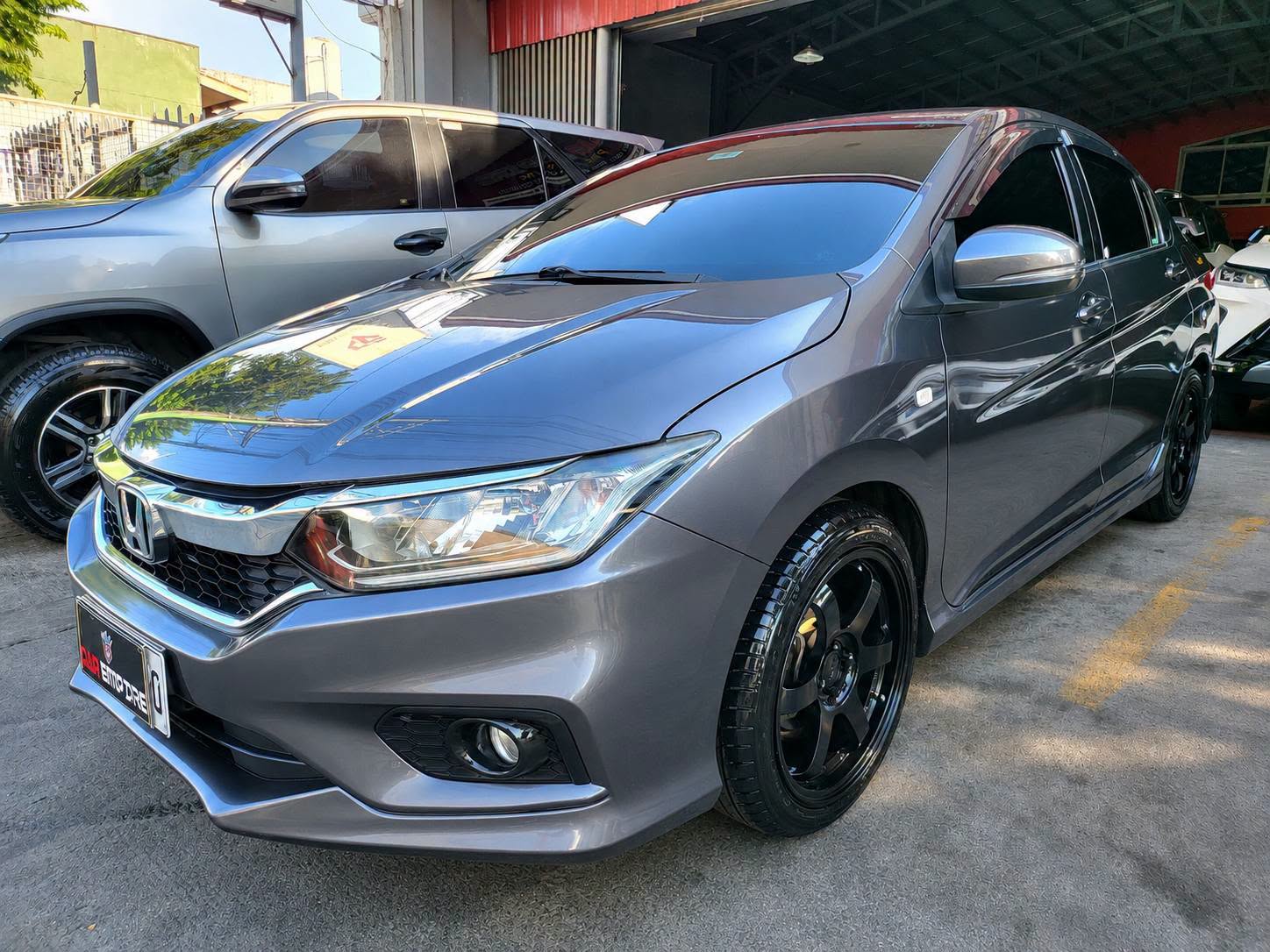
Sedans remain a practical choice for commuters, small families, and professionals who need a comfortable vehicle for regular travel. Their conventional body design, passenger seating, and enclosed luggage compartment make them suitable for many daily driving needs.
When comparing sedan options, consider fuel consumption, cabin space, trunk capacity, ride comfort, and maintenance costs. A compact sedan may be easier to park along crowded city streets, while a larger model may offer more rear-seat space for passengers.
Buyers searching for pre-owned/secondhand cars for sale should also compare transmission types, engine condition, tire wear, and service records. A well-maintained sedan with reasonable mileage may be a practical choice for someone purchasing a first vehicle or replacing an older car.
SUVs for Families and Weekend Travel
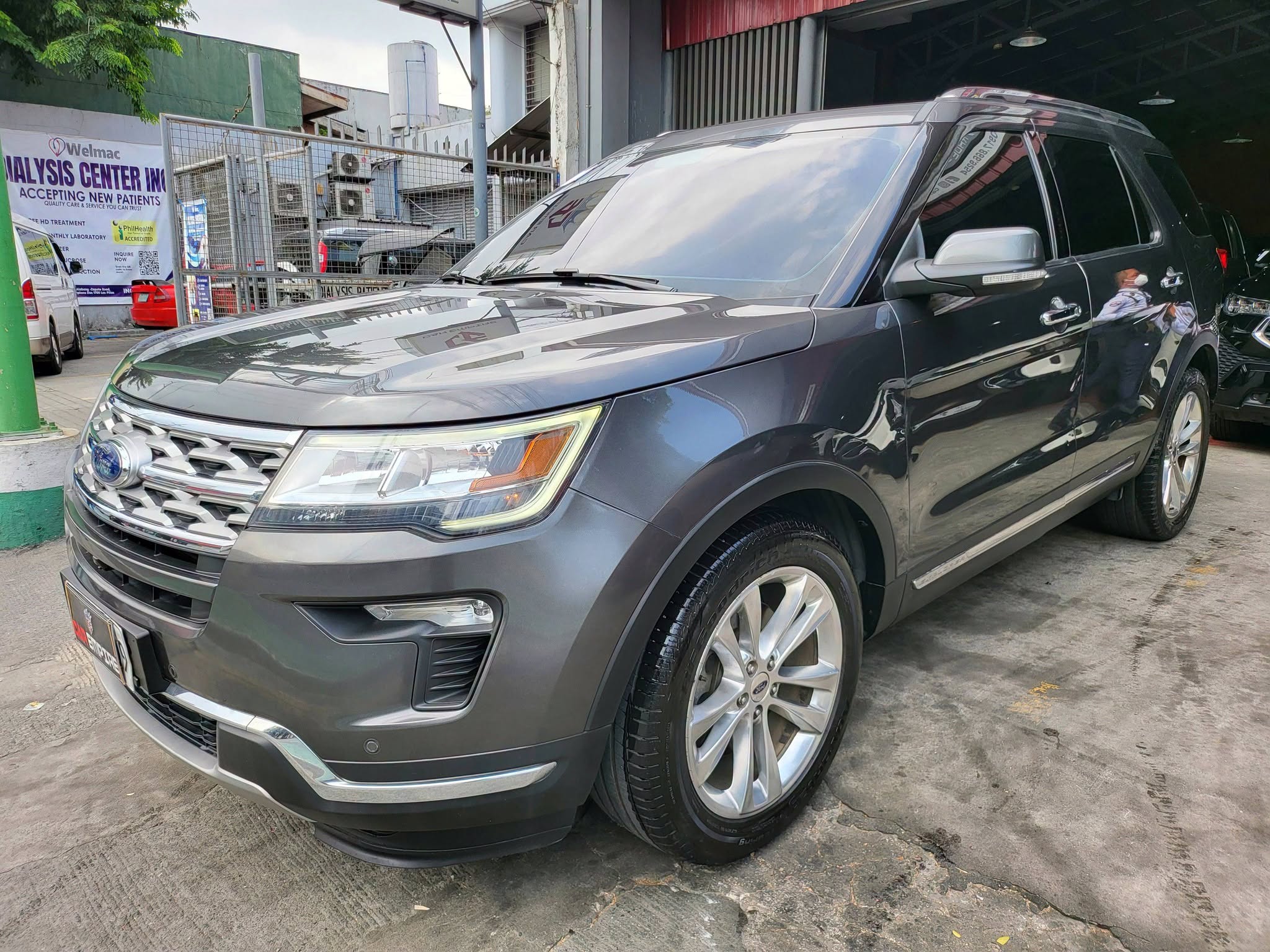
Sport utility vehicles appeal to buyers who need extra cabin space, flexible cargo capacity, and a higher driving position. Depending on the model, an SUV may accommodate larger families, luggage, sports equipment, or supplies for weekend trips.
Before choosing an SUV, assess its fuel consumption, dimensions, parking requirements, and maintenance expenses. Larger vehicles may have higher running costs than smaller sedans, so buyers should evaluate whether the additional space and capabilities justify the expense.
Inspect the suspension, brakes, tires, steering, and underbody, especially if the vehicle has frequently traveled rough roads. These checks can help identify wear that may require attention after purchase.
For families exploring pre-owned/secondhand cars for sale, the right SUV should balance passenger comfort, available storage, safety features, and long-term affordability.
Sports Cars for Performance Enthusiasts
Sports cars appeal to drivers who value responsive handling, distinctive styling, and engaging performance. Depending on the model, these vehicles may feature powerful engines, sport-tuned suspension, specialized tires, and performance-oriented interiors.
Potential buyers should look beyond appearance and engine output. Insurance premiums, fuel consumption, tire replacement, specialized components, and repair expenses can add considerably to ownership costs.
A thorough inspection is especially important when evaluating a performance vehicle. Ask about previous modifications, accident repairs, service intervals, and the condition of the engine and transmission. A qualified mechanic familiar with the model can help assess whether the vehicle is suitable for purchase.
When browsing pre-owned/secondhand cars for sale, performance enthusiasts should balance driving enjoyment with realistic maintenance and ownership budgets.
Luxury Cars for Comfort and Premium Features
Luxury vehicles often offer refined interiors, comfortable seating, advanced technology, and additional convenience features. For buyers who value these qualities, the used-car market may provide access to premium models at prices below their original retail cost.
Still, a lower purchase price does not automatically mean lower ownership expenses. Luxury vehicles may require specialized servicing, premium replacement parts, and more expensive repairs. Buyers should check the availability of qualified mechanics and replacement components before choosing a particular model.
Review the service history, electronic systems, air conditioning, suspension, upholstery, and safety equipment. Ask whether major scheduled maintenance has been completed and whether any warning lights or recurring mechanical concerns have been reported.
Careful research can help buyers find pre-owned/secondhand cars for sale that deliver the desired level of comfort without creating unnecessary financial pressure.
How to Choose the Right Used Car for Your Budget
A realistic budget gives you a clear starting point when comparing available vehicles. Before contacting a dealership, decide how much you can comfortably spend without compromising essential household expenses or other financial responsibilities.
Start by identifying your maximum purchase budget. If you plan to use financing, consider both the required initial payment and the monthly amount you can afford. Remember that loan approval, interest rates, down-payment requirements, and repayment periods depend on the lender’s terms and your eligibility.
Next, account for expenses beyond the advertised price. Insurance, registration-related costs, fuel, routine servicing, replacement tires, and possible repairs should form part of your calculations. Keeping a separate emergency fund can also help you handle unexpected maintenance needs.
Your intended use should guide your vehicle choice. Someone who drives mainly through congested urban areas may prefer a compact car with manageable fuel costs and convenient parking. A family that regularly travels with several passengers may prioritize rear-seat comfort, cargo space, and safety equipment.
Compare several models before deciding. Review their fuel economy, age, mileage, service history, available parts, and typical maintenance needs. These details can help you determine whether a vehicle offers good value over several years of ownership.
Mikotse PH’s personalized consultation approach can help prospective buyers discuss their preferences and explore suitable options. When asking about pre-owned/secondhand cars for sale, explain your budget, preferred vehicle type, intended use, and payment preferences so the available choices can be assessed more effectively.
What to Check Before Buying a Pre-Owned Car
A careful inspection helps you understand a vehicle’s condition before making a financial commitment. Even an attractive car with a reasonable price deserves a thorough assessment.
Inspect the Engine and Mechanical Components
Start with the engine compartment and ask whether the vehicle has any known mechanical concerns. Look for visible fluid leaks, damaged hoses, loose components, unusual odors, or signs of overheating. If possible, observe the engine during a cold start and listen for irregular noises.
Check whether the engine runs smoothly and whether the transmission shifts as expected during a test drive. Brakes, steering, suspension, and cooling systems should also receive attention.
An independent mechanic can conduct a more detailed inspection and identify problems that may not be obvious to an ordinary buyer. This is especially useful when comparing several pre-owned/secondhand cars for sale with different ages and maintenance histories.
Examine the Exterior and Interior
Walk around the vehicle and inspect its body panels, paintwork, lights, windows, mirrors, and tires. Differences in paint color, uneven panel gaps, or signs of poorly repaired damage may warrant additional questions about previous accidents.
Check the cabin for worn seats, damaged controls, unpleasant odors, water stains, and malfunctioning electronic features. Test the air conditioning, power windows, dashboard indicators, locks, and infotainment system where applicable.
Inspect the tires for uneven wear, cracks, and insufficient tread. Uneven tire wear can sometimes indicate alignment problems, suspension issues, or other mechanical concerns.
A vehicle’s appearance is only one part of the assessment, but visible damage and neglected maintenance can help you decide which areas deserve closer examination.
Review the Mileage and Maintenance Records
Mileage can provide useful information about how extensively a vehicle has been used, but it should never be assessed alone. A car with higher mileage and consistent maintenance may be a better purchase than a lower-mileage vehicle with an incomplete service history.
Ask for maintenance receipts, service records, and information about major repairs. Check whether scheduled servicing was performed and whether important components have been replaced when necessary.
Compare the odometer reading with the available documentation and the condition of the steering wheel, pedals, seats, and other frequently used components. Any unexplained inconsistencies should be investigated before purchase.
Reliable records make it easier to estimate future maintenance needs and compare pre-owned/secondhand cars for sale on more than their advertised prices.
Verify the Vehicle Documents
Documentation is an essential part of purchasing a used car in the Philippines. Ask to review the original Certificate of Registration (CR), the Official Receipt (OR) where applicable, proof of ownership, and other documents required for a lawful transaction.
Confirm that the vehicle identification number and engine number match the relevant records. Ask about any outstanding encumbrances and verify the applicable requirements for ownership transfer with the Land Transportation Office (LTO).
The seller should be able to explain the vehicle’s ownership history and provide the documentation needed to complete the transaction. If details are missing, inconsistent, or difficult to verify, pause the purchase until the concerns have been resolved.
Never rely solely on verbal assurances when evaluating pre-owned/secondhand cars for sale. Written records and proper verification help protect both your money and your ownership rights.
Take a Test Drive
A test drive allows you to assess how the vehicle performs under normal driving conditions. Before setting off, adjust the seat and mirrors, fasten your seat belt, and familiarize yourself with the vehicle’s controls.
During the drive, pay attention to acceleration, braking, steering response, suspension behavior, and transmission operation. Listen for rattling, knocking, squealing, or other unusual sounds. Watch the dashboard for warning lights and check whether the air conditioning works properly.
Choose a suitable route that allows safe evaluation at different speeds and, where practical, on roads with varying surfaces. If you notice a problem, ask for an explanation and consider having a mechanic investigate it before making a decision.
A satisfactory test drive, combined with a professional inspection and verified documents, provides a stronger basis for selecting a used vehicle.
Pre-Owned Cars Versus Brand-New Cars
The choice between a used car and a brand-new vehicle depends on your budget, driving needs, and ownership priorities.
Brand-new cars generally provide a new-vehicle warranty, no previous ownership history, and the reassurance of starting with minimal wear. They may also offer updated safety systems and technology, depending on the model. However, their purchase prices are usually higher, and depreciation can affect their resale value.
Pre-owned vehicles may offer a lower initial purchase price and access to a broader selection of models within a given budget. Buyers may be able to consider a higher vehicle class or additional features than they could afford when shopping exclusively for new cars.
The condition of a used car is particularly important. Maintenance history, previous accidents, mileage, and the quality of earlier repairs can affect reliability and future expenses. Some vehicles may also have limited warranty coverage or none at all, so buyers should confirm the exact terms before purchasing.
Rather than deciding solely by vehicle age, compare the total cost of ownership. Include the purchase price, financing charges, insurance, fuel, maintenance, expected repairs, and estimated resale value.
For many buyers, pre-owned/secondhand cars for sale offer a practical balance between affordability and vehicle choice, provided that each candidate receives proper inspection and documentation checks.
Common Mistakes to Avoid When Buying a Secondhand Car
Avoiding common purchasing mistakes can save money, time, and frustration.
One frequent mistake is choosing a vehicle because its advertised price is unusually low. A low price may reflect legitimate market factors, but it can also point to undisclosed damage, mechanical concerns, incomplete documents, or other issues. Compare similar models and investigate any price that appears unusually attractive.
Another mistake is skipping the mechanical inspection. A vehicle may look clean while hiding problems with its engine, transmission, suspension, or electrical system. An independent inspection can identify concerns before you commit to the purchase.
Buyers should also avoid ignoring service records and accident history. Ask direct questions about previous repairs and request supporting documents whenever possible.
Financing deserves equal attention. Review the down payment, interest rate, repayment period, processing fees, monthly installment, and total repayment amount. Do not agree to terms you cannot comfortably maintain.
Never rush the paperwork or transfer money without verifying the seller and transaction details. Read the written agreement carefully, confirm what the purchase price covers, and keep copies of relevant receipts and documents.
Taking time to assess these details can help you identify pre-owned/secondhand cars for sale that suit your needs rather than creating avoidable expenses after purchase.
How to Find Reliable Pre-Owned Secondhand Cars for Sale Through Mikotse PH
Choosing a dealership can make the search for a used vehicle easier, particularly when you need help comparing different body styles, features, and payment options. Mikotse PH presents itself as a customer-focused automotive dealership built around the promise, “Your Car, Your Choice, Our Service.”
Based on the supplied company information, its vehicle selection includes sports cars, luxury sedans, and SUVs. This variety gives buyers different categories to explore according to their driving preferences, passenger requirements, and budgets. Prospective customers should contact the dealership to confirm which vehicles are currently available and whether a particular model matches their requirements.
Personalized consultations can help buyers identify the features that matter most to them. For example, a first-time buyer may prioritize reasonable running costs and easy everyday driving, while a growing family may need additional passenger and luggage space. A performance enthusiast may focus on engine characteristics and handling, while a buyer seeking a premium experience may place greater value on comfort and interior features.
Financing is another topic worth discussing with the dealership. Mikotse PH’s supplied company description mentions competitive financing options, but actual arrangements, interest rates, required documents, eligibility, and approval conditions should be confirmed directly before a buyer makes a commitment.
Customers should also ask about each vehicle’s inspection history, service records, registration status, accident history, and any applicable warranty coverage. These questions can help establish what is known about the vehicle and what additional checks may be needed.
When exploring pre-owned/secondhand cars for sale, prepare a short list of your preferred models, maximum budget, intended use, and must-have features before contacting Mikotse PH. Ask for current pricing and written details about any payment arrangements or purchase inclusions.
A thoughtful buying process combines the convenience of dealership assistance with independent checks, clear documentation, and realistic financial planning. Mikotse PH can be a starting point for buyers who want to discuss their vehicle preferences and explore available options.
Understanding the Costs of Owning a Secondhand Car
The purchase price represents only one part of the financial commitment involved in car ownership. Estimating ongoing expenses before buying can help you avoid choosing a vehicle that stretches your budget.
Fuel costs depend on the vehicle’s fuel economy, fuel type, traffic conditions, driving habits, and distance traveled. A smaller vehicle may be economical for regular commuting, while a larger SUV may require a higher fuel budget.
Maintenance costs include oil changes, filters, brake servicing, tire replacement, battery replacement, and scheduled inspections. The exact amount depends on the model, its condition, and the manufacturer’s maintenance recommendations.
Insurance expenses vary according to the vehicle, coverage selected, driver details, and insurer. Compare available policies and confirm what each policy covers before choosing one.
Registration and documentation expenses should also form part of your budget. Confirm the current registration status and applicable transfer requirements before finalizing the transaction.
Repair costs can vary considerably. Older vehicles and models with specialized components may require more expensive repairs, particularly if previous maintenance was incomplete. Keeping an emergency fund can help you handle unexpected problems.
Financing costs deserve careful attention if you intend to pay through a loan. Consider the down payment, interest, fees, repayment schedule, and total amount payable throughout the agreement.
These expenses should guide your comparison of pre-owned/secondhand cars for sale. A vehicle with a slightly higher purchase price may offer better overall value if it has a documented maintenance history, sound mechanical condition, and reasonable expected running costs.
Tips for Getting Better Value From Your Used Car Purchase
Smart preparation can help you make a more confident purchasing decision.
Begin by comparing several vehicles with similar model years, mileage, features, and condition. This gives you a clearer sense of whether an advertised price is reasonable. Consider the vehicle’s service history and inspection findings alongside its asking price.
Next, establish a firm spending limit. Avoid committing your entire available budget to the purchase itself. Money reserved for insurance, servicing, registration expenses, and possible repairs can provide useful financial flexibility after the transaction.
Use inspection results when discussing the price. If a mechanic identifies worn tires, overdue maintenance, or other repair needs, request an explanation of the expected costs. Any agreement concerning repairs or included services should be documented in writing.
Pay attention to replacement parts and servicing options. A vehicle that is easy to maintain locally may be more practical than a model that requires difficult-to-source components.
Before making payment, confirm the seller’s authority to sell the vehicle, inspect the documents, review the purchase agreement, and clarify the ownership-transfer process. Keep copies of the signed documents and proof of payment.
Finally, consider how the car will serve you over several years rather than focusing solely on its immediate appeal. A suitable vehicle should match your lifestyle, financial capacity, and expected driving needs.
These steps can help you get more value when searching for pre-owned/secondhand cars for sale through a dealership or other legitimate seller.
Find Your Next Vehicle With Mikotse PH
Choosing a car is easier when you understand your needs, set a realistic budget, and compare vehicles carefully. From practical sedans to spacious SUVs, sports cars, and luxury models, pre-owned/secondhand cars for sale can offer a range of options for Filipino buyers seeking a vehicle that suits their lifestyle and financial priorities.
A successful purchase depends on more than appearance or price. Mechanical condition, maintenance records, verified documents, expected ownership expenses, and suitable payment arrangements should all influence your decision. Taking time to inspect a vehicle and ask the right questions can help you avoid unnecessary costs and make a more informed choice.
Mikotse PH’s customer-focused approach offers prospective buyers an opportunity to discuss their preferences, explore available vehicle types, and ask about financing arrangements. Whether you are purchasing your first car or looking for another vehicle for your household, start with a clear idea of your requirements and compare your options carefully.
Your Car, Your Choice, Our Service. Contact Mikotse PH to ask about available vehicles, current prices, and suitable purchase options. Start exploring pre-owned/secondhand cars for sale and find a vehicle that fits your needs and budget.
Frequently Asked Questions About Pre-Owned Secondhand Cars for Sale
Where Can I Find Affordable Pre-Owned Secondhand Cars for Sale in the Philippines?
You can explore dealership listings, compare available models, and contact sellers directly to ask about pricing, condition, and payment options. Mikotse PH is an option for buyers who want to discuss their vehicle preferences and explore its available selection. Confirm current stock, prices, and purchase terms directly with the dealership before visiting or making a payment.
Are Secondhand Cars Worth Buying?
Yes, a secondhand car may offer good value when its price, condition, maintenance history, and expected ownership expenses match your needs. Used vehicles can provide access to different models at lower initial prices than comparable brand-new vehicles. However, a thorough mechanical inspection and proper document verification are essential before purchasing.
What Should I Check Before Buying a Used Car?
Inspect the engine, transmission, brakes, tires, suspension, bodywork, interior, and electronic systems. Review mileage and service records, ask about previous accidents, and verify the vehicle’s registration and ownership documents. An independent mechanic’s inspection and a test drive can help reveal potential problems.
Can I Buy a Secondhand Car Through Financing?
Financing may be available through a dealership or a lender, depending on the vehicle, financing arrangements, and your eligibility. Ask about the down payment, interest rate, monthly installments, repayment period, fees, and total amount payable. Contact Mikotse PH directly to confirm its current financing options and requirements.
Which Type of Used Car Is Best for a First-Time Buyer?
The best choice depends on your budget, driving experience, passenger needs, and expected travel. A compact sedan may suit everyday commuting, while an SUV may be more suitable for a family that needs extra space. Compare fuel costs, servicing requirements, safety features, and vehicle condition before deciding.
How Do I Know Whether a Used Car Is Worth Its Asking Price?
Compare the vehicle with similar models based on age, mileage, specifications, and condition. Review the service records and consider the results of an independent mechanical inspection. Also account for any immediate repairs, expected maintenance, and financing costs before determining whether the asking price represents good value.
What Documents Are Required to Buy a Secondhand Car in the Philippines?
Buyers should review the vehicle’s Certificate of Registration, applicable Official Receipt, proof of ownership, and other documents required for the transaction and ownership transfer. The exact requirements can depend on the vehicle’s circumstances and current regulations. Confirm the applicable process with the LTO and ensure all identifying details match the vehicle and its records.
Should I Buy a Used Car With High Mileage?
High mileage does not automatically make a car a poor purchase. A vehicle with extensive but documented maintenance may be in better condition than one with lower mileage and neglected servicing. Have the car inspected, review its service records, and consider the likely cost of future repairs before deciding.
What Questions Should I Ask a Dealership Before Buying a Used Car?
Ask about the vehicle’s ownership history, mileage, maintenance records, accident history, mechanical inspection, registration status, and any known defects. Clarify the asking price, payment arrangements, applicable warranty coverage, and documents supplied with the purchase. Request written confirmation of important terms rather than relying solely on verbal assurances.